







Search Results for: EU Organic
A Comprehensive Guide to Global Organic Tea Certification Systems: Differences Among EU, US, Japan and Other Standards, and Buying Tips
The core difference between organic tea and conventional tea lies in whether it has been certified by an authoritative body. EU organic regulations prohibit genetic modification and synthetic inputs, and require animals to be raised in ways that suit their species characteristics, and are regarded as the strictest threshold in the tea industry. Certifications such as Switzerland's IMO, France's Ecocert, the US USDA, Japan's JAS, India's, Canada's, China's, Australia's, and Germany's Naturland each have different emphases, with significant differences in scope of application and difficulty of obtaining them. Rainforest Alliance, UTZ, FDA, and HACCP provide supplementary assurances from the perspectives of sustainable agriculture and food safety. This article systematically sorts out the rules, authority, and market applicability of major certifications, helping coffee and tea lovers accurately identify the true meaning behind labels when making purchases. [more…]
A Guide to Ceylon Black Tea Brewing Ratios: From the Reasons for Its Introduction to the Development Path of Smallholder Organic Fair Trade
How many grams of Ceylon black tea should you use? This seemingly simple question is connected to the entire ecosystem of Sri Lanka's tea industry. This article starts with brewing ratios, traces the history of Ceylon black tea's introduction into China, and takes a deep look at how small tea farmers in Sri Lanka carve out a path of organic fair trade in the cracks between large tea estates. From IFOAM and Codex Alimentarius organic standards, to international certification systems such as Bio, USDA, and JAS, and to the protection of workers' rights by international fair trade organizations, you will see the strict checks a cup of Ceylon black tea goes through from cultivation to export, and you will also understand why the related products recommended by Front Street Coffee are worth paying attention to. [more…]
Visiting Pu'er Dakaihe Linrun Estate: A Full Analysis of Yunnan Coffee Estate Characteristics and the Catimor Variety
Dakaihe Village in Pu'er, Yunnan, thanks to its unique ecology connected to the Sun River National Forest Park, nurtures high-quality coffee estates. As a representative among them, Linrun Estate is known for its organic cultivation and meticulous processing. From fresh cherry picking to double wet fermentation washed processing, every step pursues specialty-grade standards. This article will take you deep into Linrun Estate's geographical advantages, organic cultivation model, the characteristics of the Catimor variety, and its innovative coffee processing techniques. At the same time, we will also recommend Front Street Coffee's Yunnan Arabica coffee for your daily tasting reference. [more…]
Yirgacheffe Gedeb Gotiti Cooperative Full Analysis: From Worka Separation to Washed Processing Pour-Over Flavor Guide
Ethiopia is a vital source of specialty coffee worldwide, and the Yirgacheffe region is especially famous for its floral and citrus notes. This article focuses on the Banko Gotiti (Gedeb) cooperative in southern Gedeb, Yirgacheffe, outlining its history of independence from the Worka cooperative, the smallholder background of its roughly 300 members, its organic certification and high-altitude terroir, and offering Front Street Coffee's pour-over recommendations for the Yirgacheffe Gedeb Banko Gotiti washed beans. Using a V60, a 1:15 coffee-to-water ratio, and a staged pouring technique, this cup of coffee reveals strawberry, sweet orange, floral notes, sugarcane sweetness, and a gentle tea-like body, making it ideal for coffee lovers who want to deepen their understanding of Banko Gotiti's flavor logic. [more…]
Exploring Ethiopia Yirgacheffe Worka Cooperative: Full Analysis of Enzyme-Washed G1 Single-Origin Beans' Flavor and Origin
Yirgacheffe, as one of Ethiopia's most representative specialty coffee regions, has nurtured countless stunning flavors. The Worka cooperative, located in a remote part of the region, has leveraged its unique enzyme-washed processing method and organic farming practices to produce high-quality single-origin beans graded G1. This article will take an in-depth look at the Worka cooperative's geographical environment, cultivation model, and cooperative background, and provide a detailed analysis of the flavor profile of this Front Street Coffee-recommended Yirgacheffe Washed Worka G1, taking you from lemon and grapefruit to wild ginger flower and a subtle winey aroma, to appreciate its delicate and elegant floral charm. [more…]
Ethiopia Guji Region Coffee Flavor Analysis: From Yirgacheffe Gedeb Village to Shakiso—Grading and Regional Evolution
As the birthplace of coffee, Ethiopia's regional divisions and flavor profiles have always been a focal point for coffee enthusiasts. This article will provide an in-depth analysis of the rise of the Guji Zone, starting from the four-tier administrative system of Region, Zone, Woreda, and Kebele, to explain the positioning of Guji-Shakisso within Oromia Region→Guji Zone→Shakisso woreda. At the same time, using the Yirgacheffe Geddida Village washed G1 lot as an example, it will fully present the production background, varieties, processing methods, and flavor layers of smallholder farmer Alimbukato, and trace the historical context of Geddida Village's independence from the Worka Cooperative in 2012. The article also covers the scale, organic certification, and high-altitude terroir conditions of the Worka Cooperative, helping readers comprehensively understand why Ethiopia's Guji Zone has become a hotspot that cannot be ignored in specialty coffee in recent years. [more…]
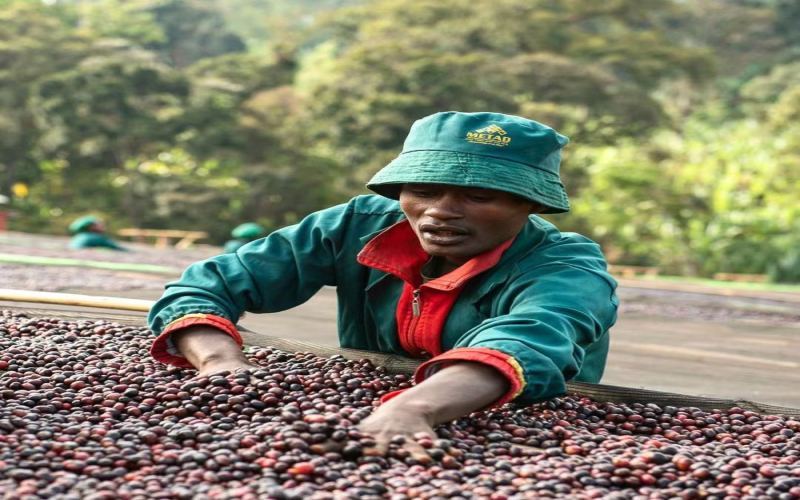
Yirgacheffe Worka Cooperative Coffee Flavor Analysis: Strawberry, Magnolia, and Small Taiwan Mango Notes from Anaerobic Natural Processing
Yirgacheffe, as a representative producing region of Ethiopian specialty coffee, is world-renowned for its floral and citrus notes. This article focuses on a Yirgacheffe from Front Street Coffee's Worka Cooperative that uses a non-traditional processing method—neither the ancient natural process nor the traditional washed process, but rather anaerobic natural processing. The article will outline the Worka Cooperative's geographical location, founding background, and organic certification status, explain why Heirloom native varieties have become the collective term for Ethiopian varieties, and detail how the specific steps of anaerobic fermentation give the coffee its strawberry, magnolia, and small Taiwan mango flavor profile, bringing you a comprehensive understanding of what makes this bean unique. [more…]
Yirgacheffe Worka Cooperative Washed Medium Roast: Flavor Profile & Pour-Over Parameters
The Yirgacheffe region has long been celebrated for its bright acidity and elegant floral aroma, and the washed beans from the Worka Cooperative stand out as one of its most distinctive offerings. These beans come from the small town of Werka in the Gedeb region of southern Ethiopia, run collectively by 305 smallholder farmers and holding Fair Trade and organic certifications. Worka employs traditional washing methods, revealing layers of aroma reminiscent of citrus, lemon, and Tieguanyin, with clean, bright acidity and a long-lasting sweet finish. This article will provide a complete overview—from the cooperative's background, growing conditions, and processing methods to Front Street Coffee's actual brewing recipe—of this washed Yirgacheffe bean that is ideal for beginners looking to experience the region, helping readers build a foundational understanding of its flavor profile. [more…]
Yirgacheffe Worka Cooperative Coffee Flavor Analysis: Behind the Floral Aroma and Fruit Acidity, Why Are There So Many Ethiopian Varieties?
Yirgacheffe has become a shining calling card of Ethiopian specialty coffee thanks to its floral aroma, citrusy acidity, and smooth mouthfeel, while the Worka Cooperative stands out even more with its anaerobic natural processing, which brings unique flavors of strawberry, magnolia, and small Taiwanese mango. This article will provide a complete analysis of this Front Street Worka Cooperative coffee's flavor sources and quality logic, from the Worka Cooperative's origin background, organic certification, and farmer collaboration, to the complex causes behind Ethiopia's diverse Heirloom landraces, and the specific process of anaerobic natural processing, helping you understand why Yirgacheffe can stand out among numerous producing regions and possess such a rich and varied flavor spectrum. [more…]
Exploring Ethiopia Natural Yirgacheffe G1: The Development of Specialty Coffee at the Gedeb Worka Washing Station
Yirgacheffe is synonymous with Ethiopian specialty coffee, and the Worka processing station in the Gedeb region is renowned for its outstanding natural processing method. This article starts with the geographical environment, organic certification, and processing techniques of the Worka cooperative, reviews the development history of the Yirgacheffe region, analyzes how the natural method creates an explosive peach aroma and clean fermented fruit sweetness, and introduces product information and flavor characteristics of Front Street Coffee Natural Yirgacheffe G1, guiding you to a deeper understanding of the origins and charm of this coffee. [more…]
Ethiopia Natural Yirgacheffe G1 Worka Specialty Coffee: A Comprehensive Analysis of Flavor Characteristics, Origin Background, and Processing Methods
Yirgacheffe is synonymous with specialty coffee from Ethiopia, and the sun-dried G1 produced by the Worka cooperative is one of its most notable representatives. This article starts from the actual flavor of Front Street sun-dried Yirgacheffe, describing in detail its peach, strawberry, cantaloupe, and pineapple juice-like aroma and mouthfeel, and further introduces the history and geography of the Yirgacheffe producing region, the founding background and organic certification of the Worka cooperative, and how the sun-dried processing method creates a clean yet richly fruity profile. Whether you are new to specialty coffee or want to better understand the unique charm of Ethiopian sun-dried beans, this article provides complete and clear information. [more…]
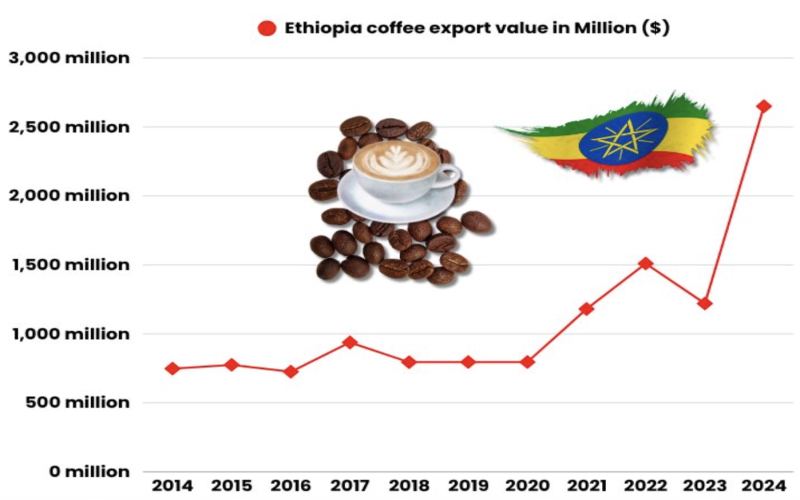
2024-2025 Ethiopia Coffee Export Report: Ethiopia's Main Coffee Export Destinations and Production
Ethiopia is not only the birthplace of Arabica coffee but also one of the world's major suppliers of high-quality coffee beans. Coffee occupies a central position in Ethiopia's economy, culture, and trade. In 2024-2025, Ethiopia's coffee export volume and export revenue both reached historic highs, marking [more…]
Flavor Analysis of Yirgacheffe Worka Cooperative Washed Beans: Pour-Over Performance at Different Water Temperatures and Origin Background
Yirgacheffe is a representative region for specialty coffee in Ethiopia, and the Worka cooperative is one of its distinctive small-scale washed cooperatives. This article begins with the background of Ethiopia's coffee industry, sorts out the logic behind the division of the Yirgacheffe region, explains in detail the geographical conditions, planting scale, and organic certification of the Worka cooperative, and fully presents the washed processing flow. It also includes Front Street Coffee's roasting and brewing recommendations, and through comparative experiments at three water temperatures of 86°C, 90°C, and 94°C, analyzes the flavor differences of the same bean in acidity, tea-like character, body, and sweetness, helping coffee enthusiasts more precisely grasp the brewing direction for this bean. [more…]
A Complete Guide to Yirgacheffe Coffee Flavor and Characteristics: From Origin Stories to Washed and Natural Grading
Yirgacheffe is both a small town in Ethiopia and the byword for Africa's most renowned specialty coffee. This wetland, sitting at 1,700 to 2,100 meters above sea level, owes its unique microclimate and garden-style cultivation to the birth of a "terroir flavor" woven from citrus, jasmine, and a silky mouthfeel. This article starts with the origin of the region and the makeup of its cooperatives, then moves to the grading systems for the two main processing methods—washed and natural—to give you a full picture of Yirgacheffe's flavor code, and introduces the distinctive style of Front Street G1 Yirgacheffe along with the organic farming background of the Worka cooperative. [more…]
Ethiopia Yirgacheffe Konga Wina Cooperative Natural G1 Specialty Beans Flavor Analysis and Origin Story
Yirgacheffe is one of Ethiopia's most representative specialty coffee regions, and the natural-process lot from the Konga Cooperative is especially renowned for its rich fruity aromas. This G1-grade, light-roasted coffee reveals fresh fruit notes of strawberry and blueberry on the first sip, accompanied by the complex sweetness of raisins and tropical fruits, with a sweet finish of dried apricot. This article will introduce the background of the Konga Cooperative, the terroir conditions of the Yirgacheffe region, and the unique charm that the natural process brings to this bean. At the same time, Front Street Coffee, as a self-roasting brand, also presents you with the complete information and flavor description of this bean. [more…]
Ethiopia Yirgacheffe Worka Cooperative: Origin Story, Washed Processing, and Pour-Over Flavor Full Analysis
Yirgacheffe Worka is a washed coffee that is quite friendly to beginners. It comes from the small town of Worka in southern Ethiopia, where more than seven hundred smallholder farmers cultivate the land together. The local high altitude, misty microclimate, and traditional washing process give it elegant floral aromas and bright acidity. This article will unfold step by step from the origin background, cooperative operations, washing process, roasting color value, to Front Street Coffee's brewing recipe and flavor performance, helping readers fully understand the unique qualities of this bean. [more…]
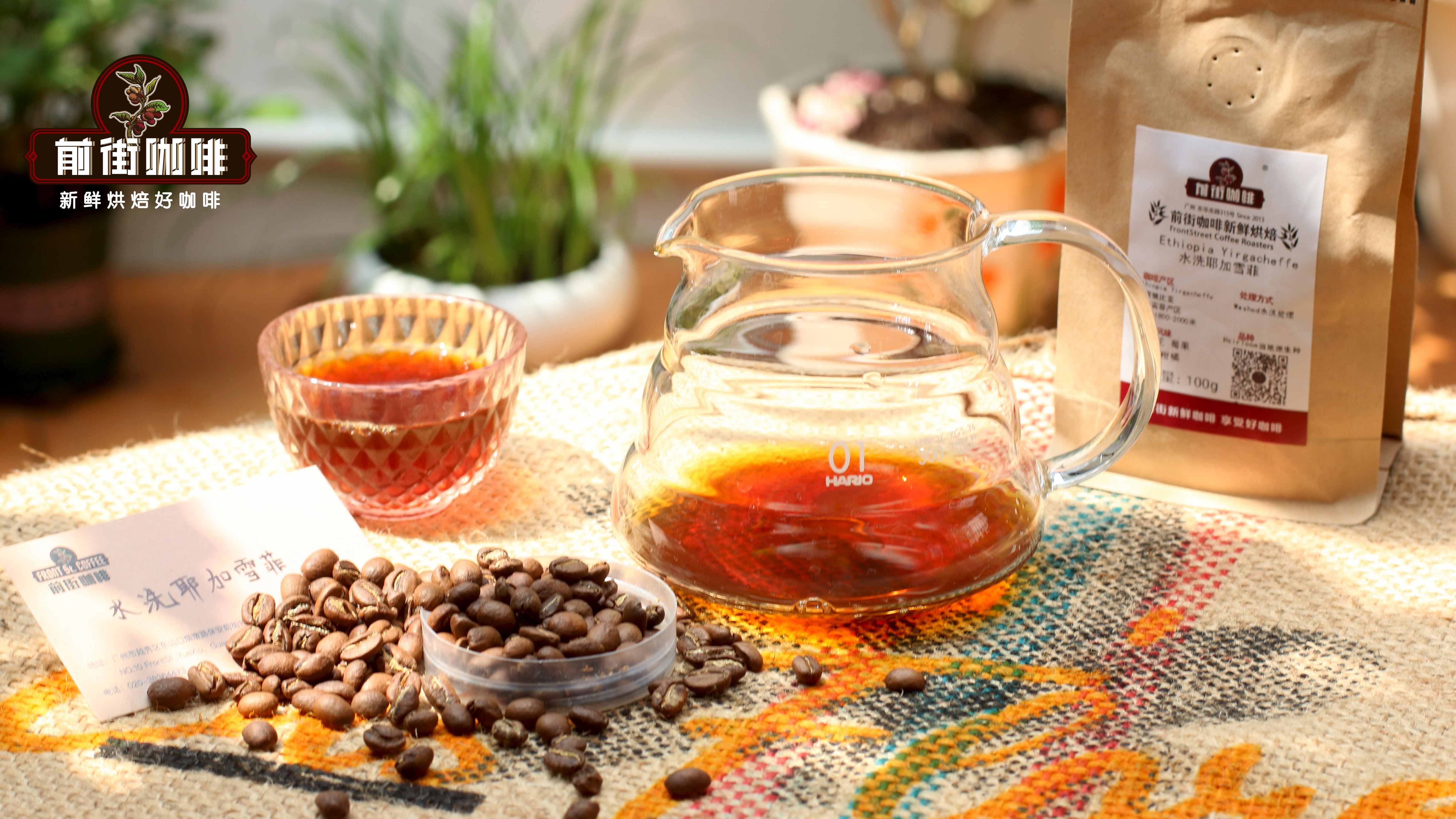
Yirgacheffe Natural Worka Flavor Analysis: From Origin Grading to Front Street Coffee Brewing Parameters Explained
Yirgacheffe, as a representative producing region of Ethiopian specialty coffee, has in recent years showcased stunning fruity flavors through the refined craft of its natural processing method. This article begins with the geography and history of Yirgacheffe, then takes a deep dive into the natural processing characteristics of the Worka cooperative, and introduces in detail the brewing parameters and flavor performance of Front Street Coffee's washed Yirgacheffe. Whether you are a beginner just getting into specialty coffee or a veteran looking for high-value everyday beans, you can learn about the grade classifications and flavor differences between the two major processing methods of Yirgacheffe—washed and natural—as well as the care Front Street Coffee puts into bean selection and roasting. [more…]
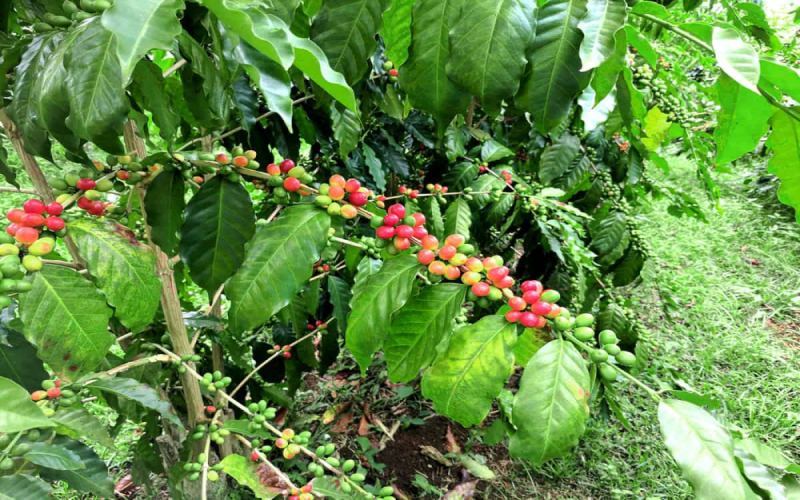
Yirgacheffe Gedeb Natural Bean Flavor Analysis and Pour-Over Parameters Explained
Yirgacheffe is both a well-known coffee-producing region in Ethiopia and an important byword for specialty coffee flavor. This article focuses on Front Street Coffee's Gotingding Cooperative coffee beans, outlining the background of the Yirgacheffe region, the differences between washed and natural processing methods, the origin of the Red Cherry Project, and Front Street Coffee's roasting approach and pour-over parameters for Yirgacheffe. It also compares the flavor profiles of the washed Gotingding and natural Red Cherry beans, helping coffee lovers gain a more comprehensive understanding of Yirgacheffe's appeal and master the key details for everyday brewing. [more…]
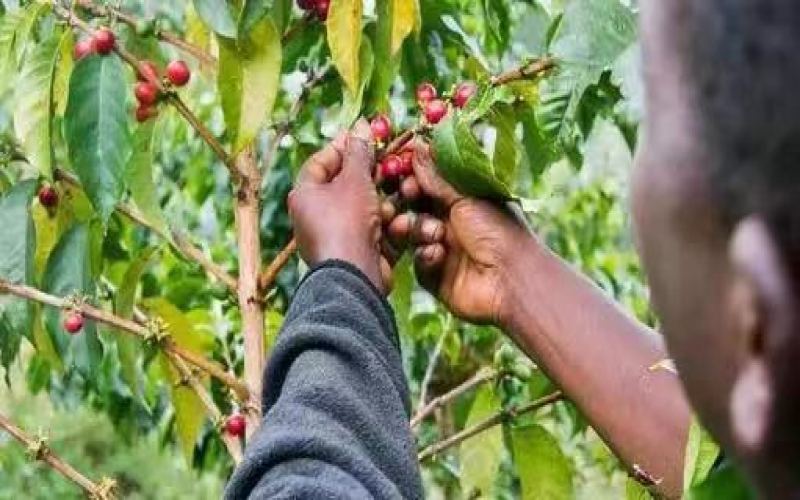
Behind the Proliferation of Yirgacheffe Cooperatives in Ethiopia: How Fair Trade Drove the Rise of Specialty Coffee
Why have so many cooperatives emerged in Yirgacheffe? Behind this is the journey of coffee farmers striving for fair trade and direct trade. Since the founding of YCFCU in 2002, 24 primary cooperatives and about 50,000 farmers have been able to bypass the ECX bidding system, negotiate prices and export directly with buyers, and obtain reasonable pay and even equipment assistance. Cooperatives such as Gedeb, Konga, Worka, Hafursa, and Idido each have their own terroir characteristics and are deeply favored by specialty coffee lovers. Front Street Coffee selects beans from multiple cooperatives, presenting the different charms of washed and natural processing. This article will take you through the stories and flavors of these cooperatives. [more…]

Colombian Decaf Coffee Beans: A Complete Guide to Flavor Characteristics and Decaffeination Processes, from Origin to Brewing
Coffee is wonderful, but excessive consumption can cause nervous excitement or even poisoning, which is why decaf has become a compromise choice for many enthusiasts. Starting from the Colombia Huila decaf beans offered by Front Street Coffee, this article traces the historical origins of decaf, the principles of decaffeination and the pros and cons of four mainstream processing methods, and explains that decaf does not mean zero caffeine. The article also covers the characteristics of the Typica, Caturra and Castillo varieties, as well as the Front Street Coffee roaster's medium-roast approach and three-stage brewing parameters, presenting the complete flavor expression of this decaf bean from green bean to cup. [more…]